The helmet – to remove it or not?!

This is a question I have been thinking about a lot since I attended a first aid course last autumn. The opinion seems to differ between countries, which is confusing.

Previously, when I have attended first aid courses in Sweden, the instructions have been clear about the priority – if the person is not breathing, remove the helmet. Naturally, removing the helmet is a tricky business and it has to be done with great care of the neck and spine, but there is a special procedure to do it safely, preferably by two people. However, if you can’t breathe you die, so helmet off to start mouth to mouth and chest compression was the instruction.

At the first aid course last autumn, here in Spain, the teacher got a bit upset when I told her about what I’d previously learned. She claimed that it was too risky for the spine and that mouth to mouth could be done through the visor gap (apparently she didn’t know how a helmet fits the head) or simply just do the compressions. She also said that in Japan mouth to mouth is not done at all, only chest compressions. Later, when I checked info with friends in Sweden, that are both bikers and medical doctors, the information was clear – helmet off, but do it safely. So, apparently this is something that is thought of differently in different countries. I find it a bit surprising that there aren’t standardised European guidelines about this.

When riding behind a Tele Pizza scooter delivery the other day I could read a sticker on his healmet saying “in case of an accident, don’t remove helmet”. So it might be the case that I now live in a country where I, in case of an accident, will die with my spine intact and with my helmet on. Maybe this is to prevent people ripping the helmet off at first chance, but I would prefer education to prohibition.

Another matter in case of an emergency is how to keep personal information. Since I often ride alone, I need ways to store information that can be found by, for example, medical staff. Before, I have made cards with phone numbers etc, which I put in my wallet or in my bag, but this can be difficult for others to find. Now one solution was presented by the Swedish bikers union, SMC. They’ve sent ICE medical cards to their members. These cards can be put inbetween the shell and the padding of the helmet and are combined with a sticker saying “medical card in helmet”. All neat and nice, when eventually the helmet is removed.

In addition, I found something that might be more useful outside Sweden, U-tag ICE. It is an ID tag to put around your neck and the beauty with it is the USB storage that you can fill with the information you want and it works in 7 different languages. Some initial information can also be engraved on the tag and – this is super clever – documents can be uploaded and encrypted so it can be used to store copies of driver’s licence, insurance, etc. The U-tag also comes with stickers which inform that ICE can be found on the rider.
The wind of change

There is so much going on right now. I shouldn’t complain really, I generally like changes and hopefully it will all work out fine in the end.

We have been flat searching since the beginning of April. When we gave the notice to our present landlady and by that got the end of May as a deadline for moving out, flat searching soon become our only leasuretime activity. This including lots of searching on the internet, phone calls and visits to see possible flats. When searching we soon found out that our different needs and criteria combined made it hard to find a good match, especially one that a teacher can afford.

On my behalf, easy access to the M30 to go to work and good parking options with lots of other bikes around was a necessity. My fiance needed a window with a view and some sunlight. Since I’m spoiled with high living standards from Sweden we felt incredible lucky when we last week found what we were searching for. It was essential to grab it before someone else did and the deposit was paid the same evening. That was followed by the process of arranging a bank guarantee. Paperwork in Spain makes me exhausted but it is one of these things that has to be mastered and at the same time it is all a lesson to learn. Another day I will tell you about the paperwork for the import of my bike, that was really something!

So, with a flat contract approaching we left Spain to spend the long weekend in the land of Ducati and icecream – of course I mean Italy. Now our destination was Venice so there were no bikes to count, but during a few evening hours and a morning walk in Bergamo we did see quite a few. Venice itself didn’t feel like Italy at all in that respect. Even Barcelona felt more like Italy due to the large amount of bikes and scooters on the streets, but I have no complaints, the icecream was still awesome.

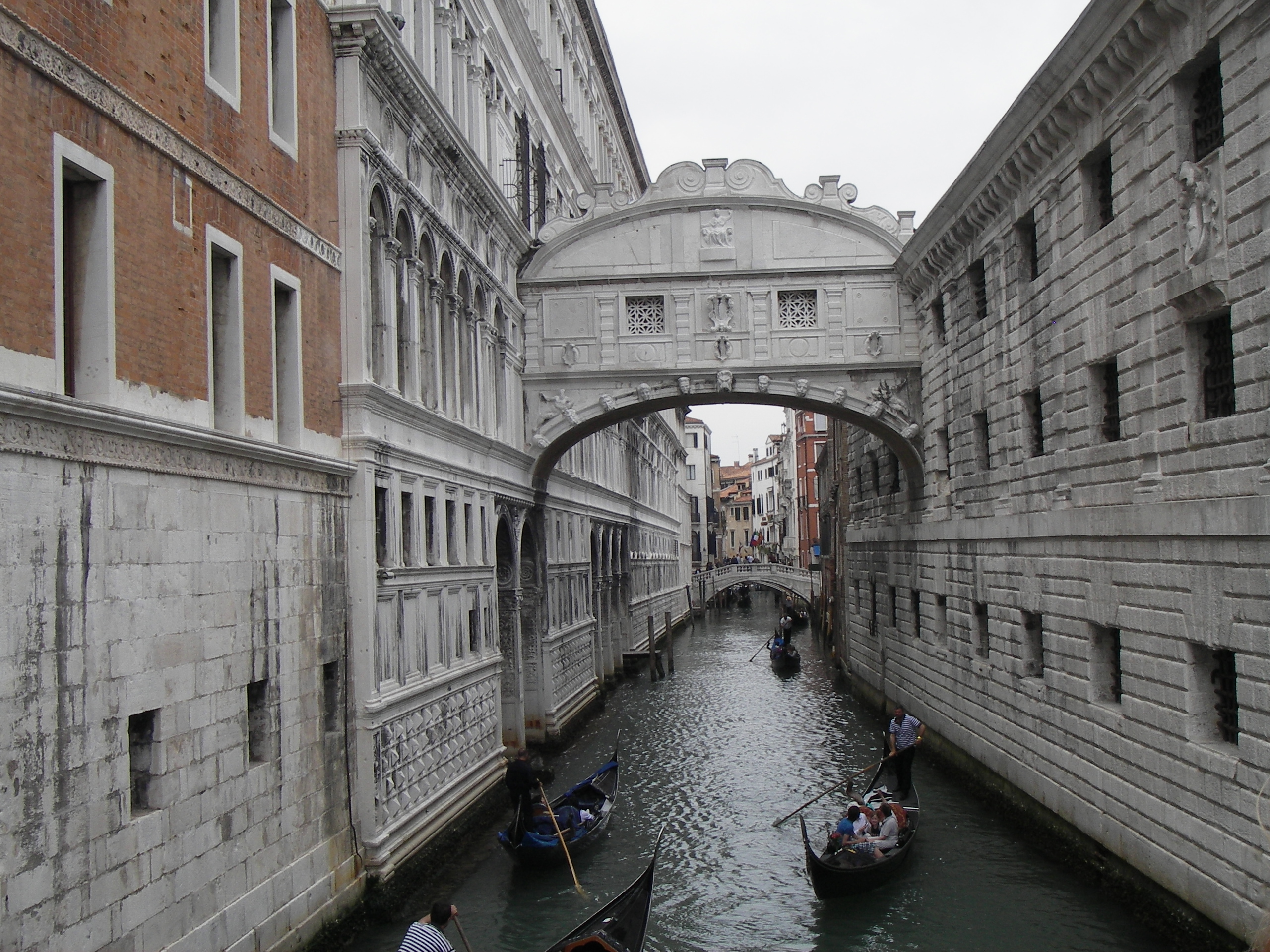
the waterways of Venice and a gondola traffic-jam by the bridge of Sigh
the waterways of Venice and a gondola traffic-jam by the bridge of Sighs

As it seems, this will be my last visit to Italy as a Ducatista, at least for a while. Today I once again visited the Racing House in Seseña, now making a decision. I’m trading my Ducati for a Kawasaki.

What a lovely day for a ride

On Thursday I could finally collect my bike at the Ducati garage and the cost was not too bad. 625.91 euros and that included the 30000km maintenance as well as the change of timing belt and tension rollers. The engine is running smoothly and it’s a pleasure to ride. I had been angry with my bike for failing me but now it is all forgiven. I once again love her as ever before.

Today, I was riding to work at noon to work at the traditional Swedish Christmas bazaar and it was warm and sunny. Being Swedish, it felt amazing to be riding to a Christmas event… nevertheless in Spain. I did, though, feel a slight sting of annoyance that the ride was so short. I was tempted to not turn off towards La Moraleja but instead to Zaragoza and just continue riding all day long.

Parked outside our school